
ServicesTech
We connect your CRM, accounting, scheduling, forms, online store and field-service software so information flows between them on its own. That includes older systems with no API, handled with careful, well-tested workarounds.
A real person on call, priority support and updates in plain English.
What you can expect
Information entered once shows up in every system that needs it, accurate and on time.
For businesses where someone spends part of every day moving the same information from one program into another.
What’s covered
New leads, customers and notes kept in step between your CRM, website and inbox.
Invoices, payments and customers passed to accounting software such as QuickBooks without rekeying them.
Bookings and form entries sent straight to the people and systems that act on them.
Orders, inventory and jobs shared between your store, your office and your crews.
Software with no API connected through exports, file drops or other careful workarounds we test thoroughly.
A written map of what connects to what, so nothing is a mystery later.
Peace of mind, built in
Behind every project is a small, senior team that knows your setup, keeps it in good shape and explains everything in plain English.
Retainer clients reach our team directly, and changes are done within 24 hours. No ticket queue, no account manager in the middle.
We keep an eye on what we build and run, so small things get handled before they become big ones.
Time-sensitive requests are treated as priorities, not scheduled for next week.
You always know what happened, what we did about it and what comes next.
How it works
We list your tools and trace where information gets retyped.
We agree on what syncs, which direction and how often.
We build and test the connections on real records.
We keep an eye on the syncs and fix issues as they come up.
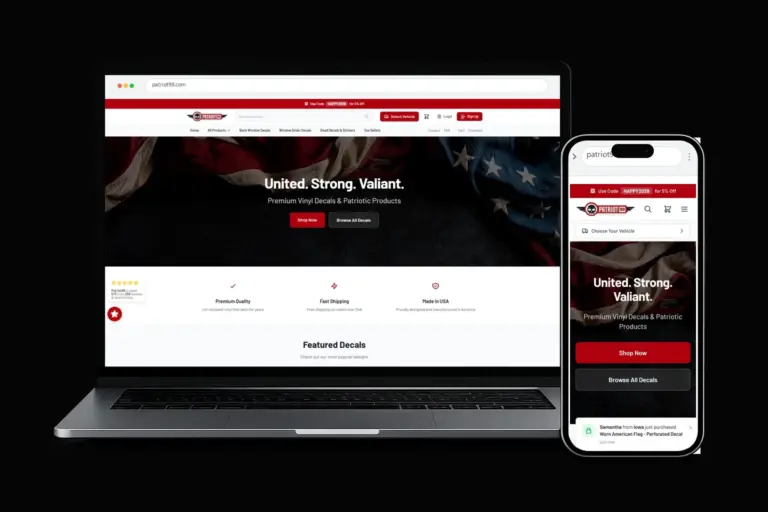
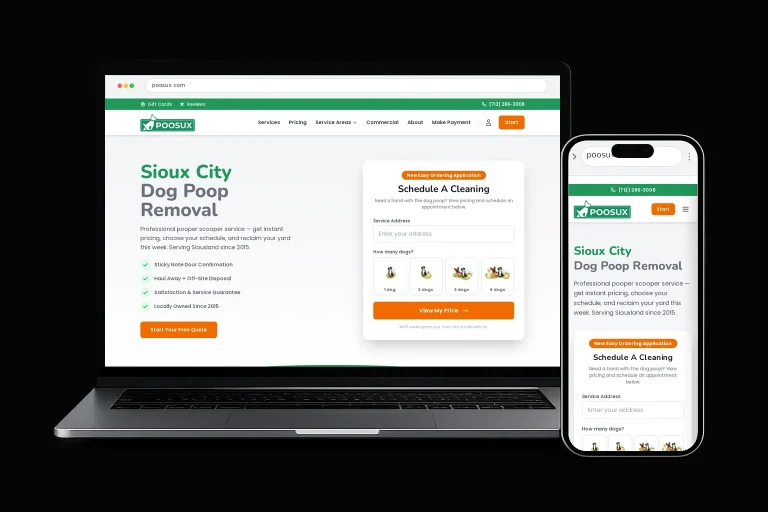
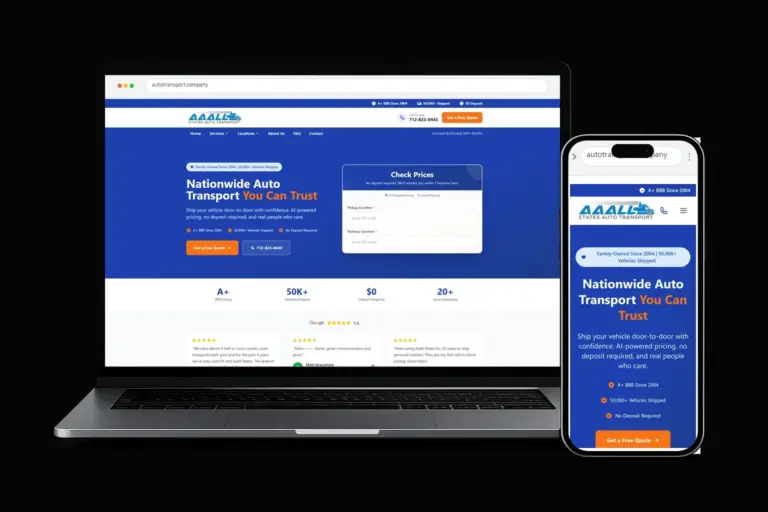
Our work
Questions, answered
Tap a question for a straight answer. Don’t see yours? Type it in and Alex will reply personally.

Find your fit
Like a size guide, so the advice actually fits.
Tap everything that applies.
No wrong answers. It just helps us point you in the right direction.
Your fit
Noise level, an illustration based on your answers.
| Area | Without Eagle Cove | With Eagle Cove |
|---|
Alex will look over your fit and reach out within one business day.